Understanding
South African Cape hake formats
For a seafood buyer, choosing Cape hake is only the beginning. The format in which that hake is supplied can influence handling, storage, processing, distribution and how efficiently it moves through the buyer’s own operation.
Product format is therefore part of the supply decision and not simply a product specification.
From the vessel into the supply chain
South Africa’s commercial hake resource comprises two species: shallow-water Cape hake, Merluccius capensis, and deep-water Cape hake, Merluccius paradoxus. Both are generally processed and marketed as Cape hake, despite differences in their distribution and depth. South Africa’s Department of Forestry, Fisheries and the Environment provides further information on the country’s hake resource.
Once caught, careful handling and temperature management become important throughout the supply chain. From there, hake can move into different product formats depending on how it is processed, distributed, and sold.
For buyers interested in what happens before hake reaches this point, we explore why buyers choose South African longline-caught Cape hake in more detail.
Understanding the main Cape hake formats
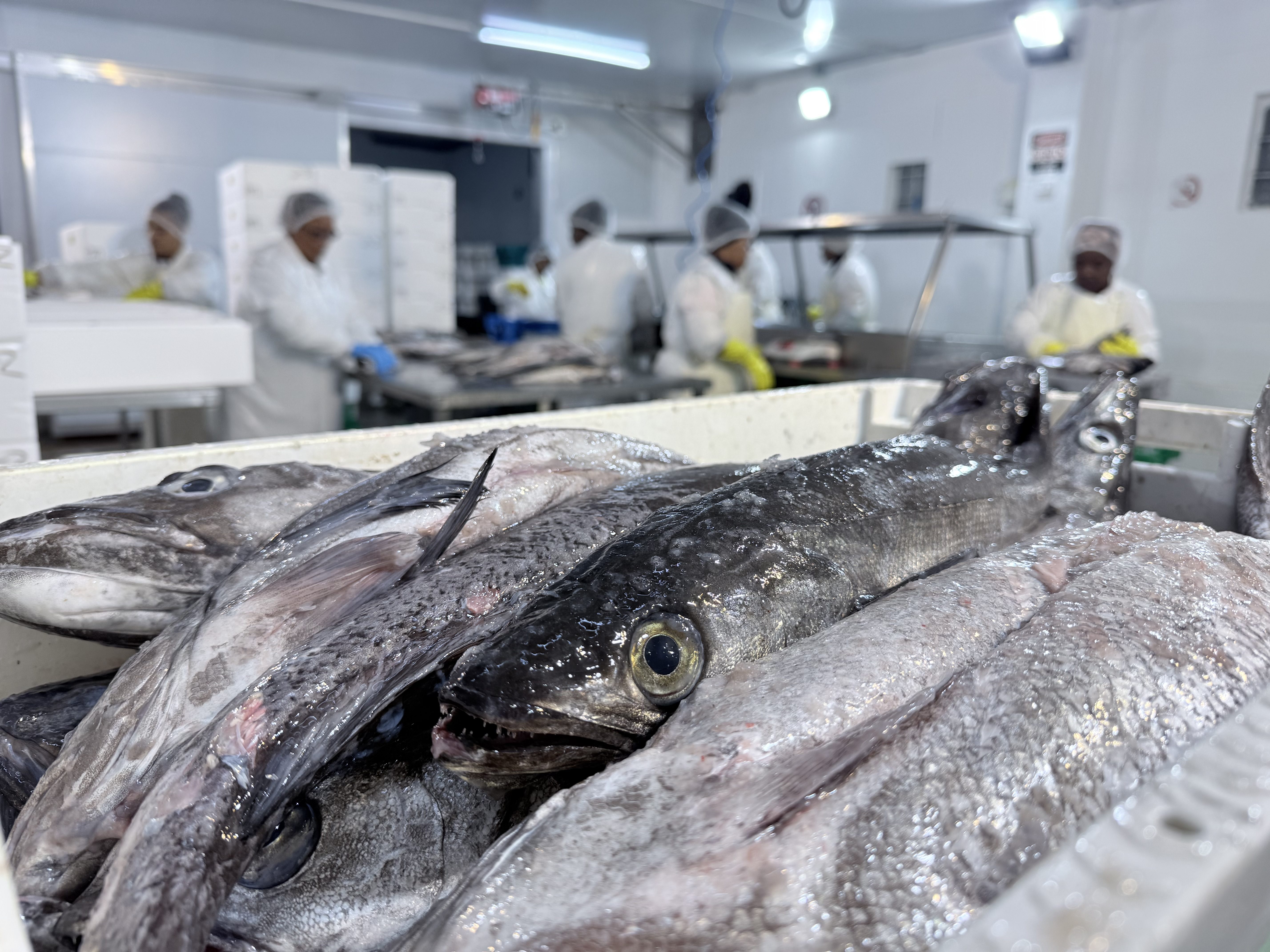
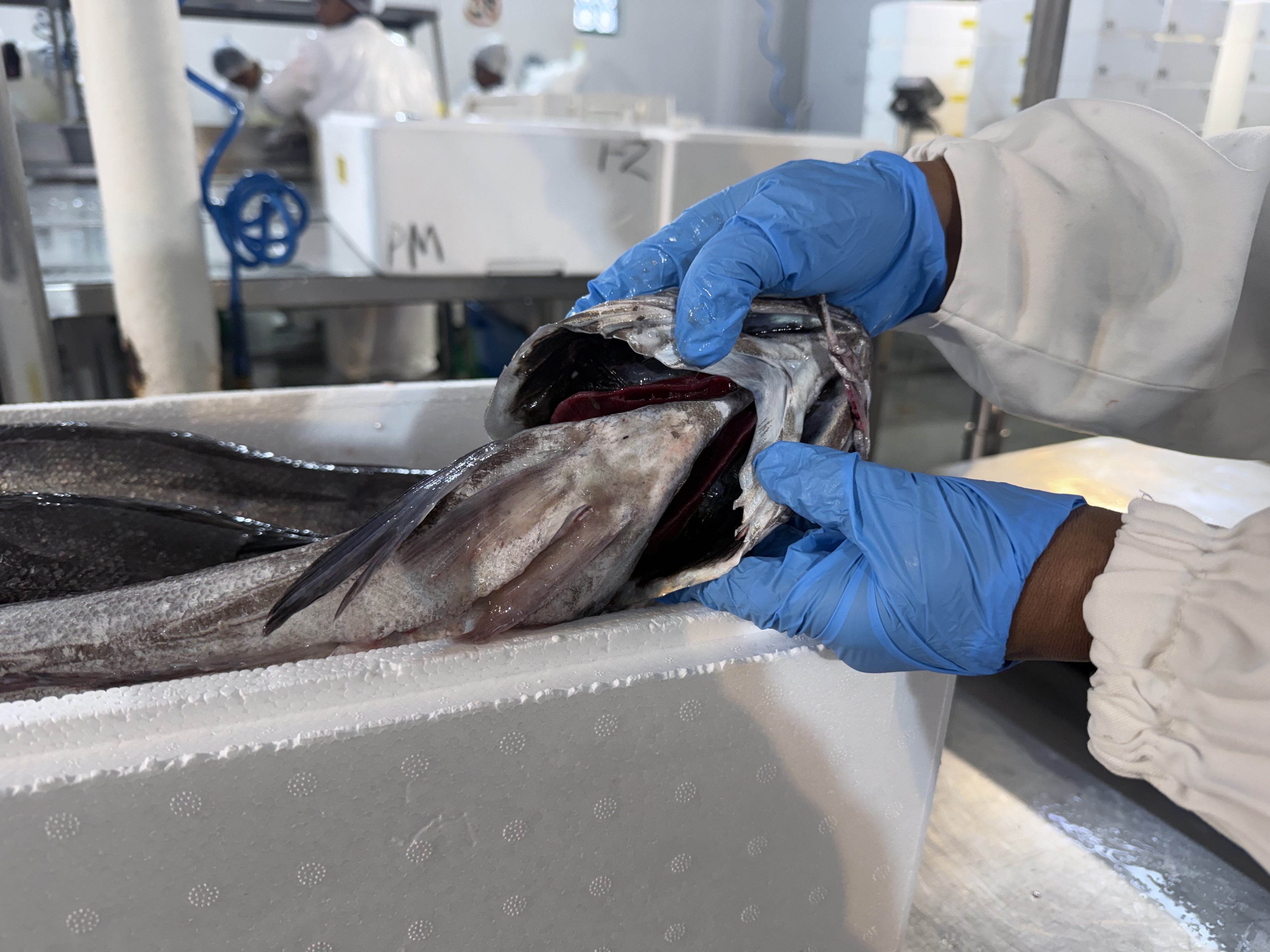
Whole hake retains the fish in its least processed form, giving buyers or processors greater control over what happens next.
H&G hake has been headed and gutted, while HGT hake has been headed, gutted and tailed. These formats can give processors and wholesalers flexibility for further processing, portioning or preparation according to market requirements.
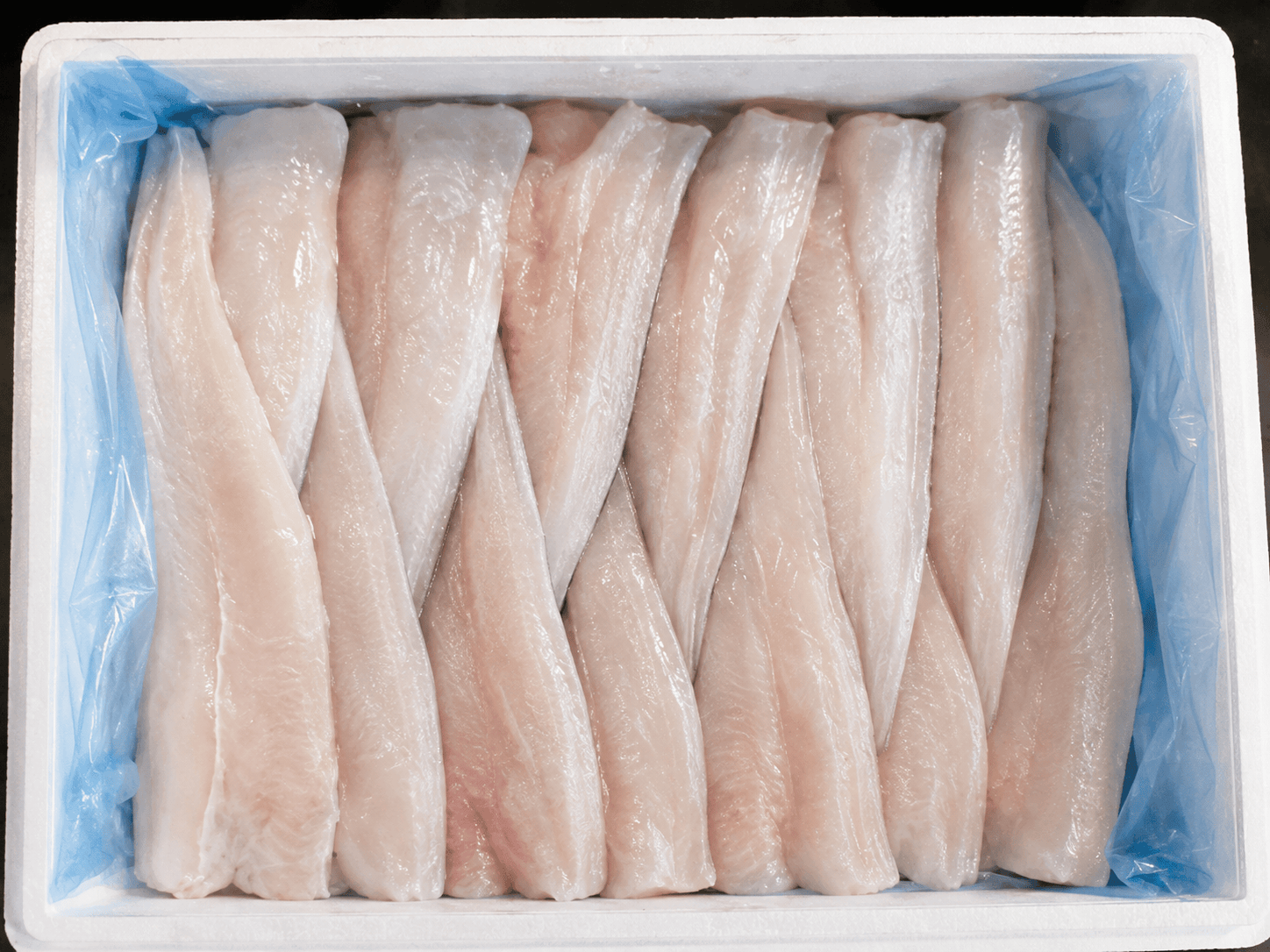
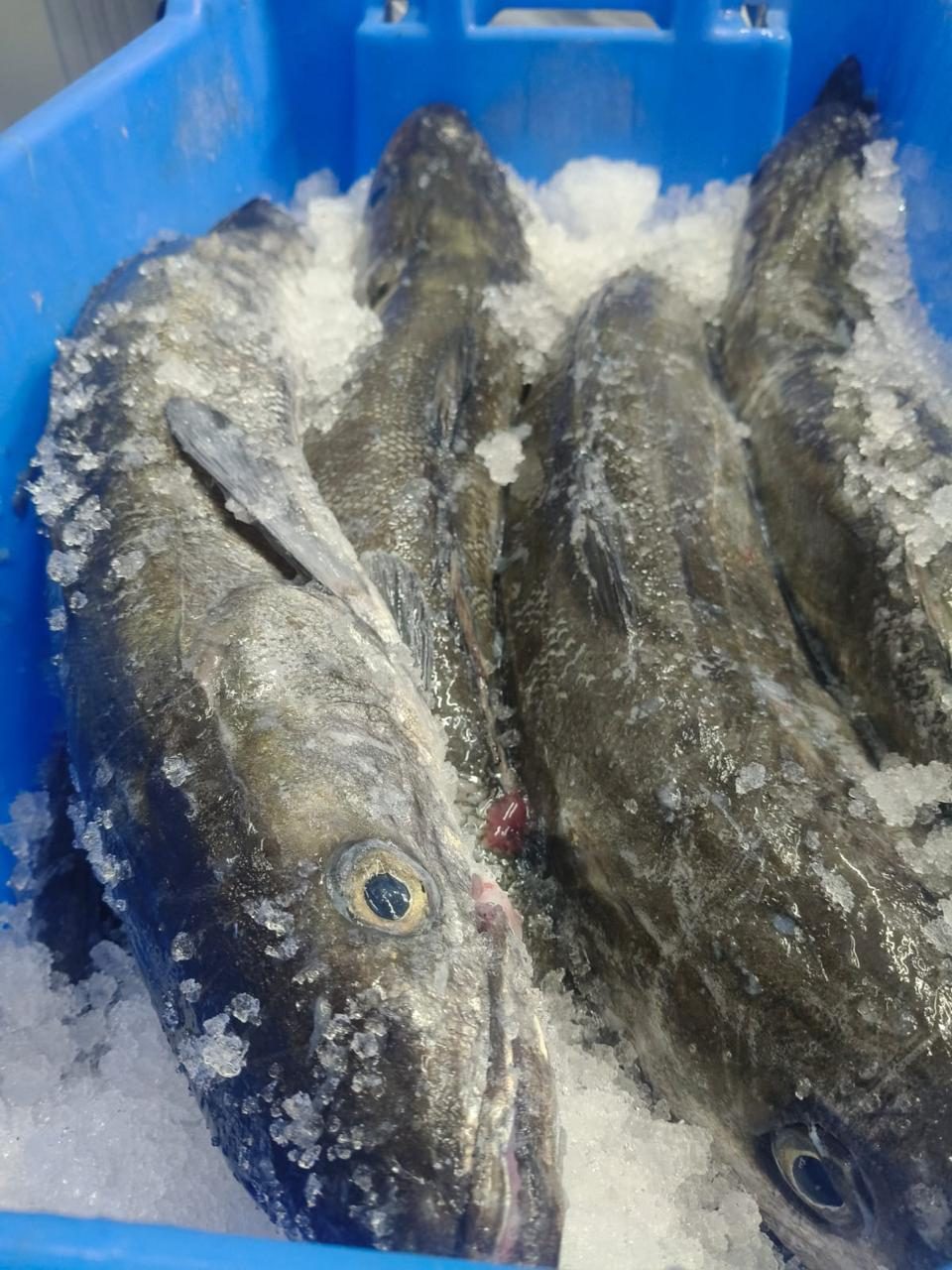
Fillets move more of that processing upstream. Buyers sourcing fresh Cape hake may require regular supply and faster turnover through a carefully managed cold chain.
Frozen Cape hake serves a different set of operational needs.
Frozen hake fillets can support longer distribution routes,
inventory planning, and storage while reducing the processing
required before onward sale or use.
The importance of these formats is evident across the wider South African hake industry. Industry figures for 2023 show that fillets and fillet-type products represented 73% of production, followed by H&G at 19% and fresh hake at 8%.
Fresh or frozen?
Start with the buyer
Fresh and frozen hake serve different needs within the seafood trade. For buyers looking for a fresh Cape hake supplier, considerations can include delivery frequency, expected turnover, refrigeration and the length of the cold chain.
A buyer working with a frozen Cape hake supplier may have different priorities. Storage capacity, stock planning, distribution distance and maintaining frozen conditions throughout the supply chain can all influence the decision.
The right choice depends on what the product needs to do once it reaches the buyer.
Matching Cape hake supply to the market
A fish shop, food service supplier, processor, wholesaler and international distributor may all buy South African Cape hake. Their requirements, however, can be very different.
Before choosing whole, H&G, HGT, fresh or frozen fillets, buyers should consider the end market, required volumes, storage capacity, onward processing and distribution route.
For buyers looking for quality fresh fish suppliers in South Africa, product format, consistent handling and the ability to meet local or export requirements can all form part of the purchasing decision.
As a South African Cape hake supplier, DC Fishing works with local and international trade buyers across different supply requirements. Our Cape Town seafood supply supports wholesale, processing and distribution markets with fresh and frozen products, backed by careful handling and reliable availability.
Whether hake is destined for wholesale, further processing, local distribution or export, the starting point is understanding what the buyer needs, where the product is going and which format best supports that journey.
Talk to us about your Cape hake requirements
If you are sourcing Cape hake for wholesale, processing, food service or international distribution, speak to our team about your required format, volumes and supply needs.
Discuss your hake requirements